June 10, 2026
A roof is one of the most important parts of any building, protecting the structure from weather, moisture, and temperature fluctuations. Understanding roof coatings can help property owners make informed decisions about maintenance and long-term roof performance. These protective systems can extend a roof’s lifespan, improve energy efficiency, and reduce repair costs. Whether you manage a commercial property or own a home, learning about roof coatings can help you maximize the value of your roofing investment.
Understanding Roof Coatings
Definition and Composition
Roof coatings are protective layers applied directly to a roof's surface to improve durability and performance. They are typically made from polymers, resins, and reinforcing materials that create a seamless protective membrane. Different formulations are available to meet the needs of various roofing systems and environmental conditions.
Many coatings are designed to reflect sunlight and reduce heat absorption, helping protect the roofing material from premature deterioration. By creating an additional layer of defense, coatings help roofs withstand weather exposure and daily wear. The primary purpose of a roof coating is to protect the underlying roofing material while enhancing overall performance. Coatings help shield roofs from UV rays, rain, wind, and temperature extremes.
Many products also improve energy efficiency by reflecting sunlight. According to Global Growth Insights, reflective and cool roof coating systems can lower cooling energy consumption in commercial buildings by as much as 15%. This can help reduce utility costs while improving indoor comfort.
How Roof Coatings Work
Roof coatings form a seamless membrane that adheres to the roof surface. This layer seals minor cracks, helps prevent leaks, and protects against weather-related damage. Reflective coatings reduce heat transfer into the building, helping to maintain more consistent indoor temperatures.
Because the coating expands and contracts with the roof, it can help reduce stress caused by changing weather conditions and prolong the life of the roofing system. Some property owners assume coatings are only cosmetic improvements. In reality, they provide significant protective benefits and can extend roof life when properly installed and maintained. Another misconception is that coatings can only be applied in hot weather. Modern coating products are available for a variety of climates and installation conditions, making them a practical option for many properties.
Benefits of Roof Coatings
Enhanced Roof Longevity
One of the biggest advantages of roof coatings is their ability to extend roof life. By protecting roofing materials from UV exposure, moisture, and temperature fluctuations, coatings reduce wear and tear that can lead to costly repairs. The protective membrane also helps prevent small cracks and imperfections from developing into larger problems.
Energy Efficiency Gains
Reflective coatings reduce the amount of solar heat absorbed by a building. This can decrease cooling demands and lower energy bills, especially in warmer climates. Improved thermal performance benefits both residential and commercial properties. Coatings help reduce waste by extending the life of existing roofing materials and delaying roof replacement projects. Improved energy efficiency also reduces overall energy consumption, supporting environmental sustainability goals.
Applying a roof coating is often significantly less expensive than replacing an entire roof. In addition to lower installation costs, property owners may benefit from reduced maintenance expenses and improved energy savings over time. Coatings can refresh the appearance of an aging roof, creating a clean, uniform finish. Available in a variety of colors and finishes, they can improve curb appeal and contribute to the overall appearance of a property.
Types of Roof Coatings and Their Applications
Acrylic coatings are widely used because of their UV resistance and reflective properties. These water-based products perform well in many climates and can be applied to various roofing materials. Their ability to reduce heat absorption makes them a popular choice for improving energy efficiency. Silicone coatings are highly resistant to moisture and ponding water. This makes them especially effective for flat or low-slope roofs that experience frequent rainfall. Their durability allows them to maintain performance even in harsh weather conditions.
Elastomeric coatings offer excellent flexibility and can expand and contract with the roof. This characteristic helps prevent cracking and provides dependable protection in climates with significant temperature changes. Asphalt coatings have long been used to weatherproof roofs. They offer a budget-friendly option for extending roof life and protecting older roofing systems from moisture damage. Polyurethane coatings provide exceptional durability and resistance to abrasion. They are commonly used on roofs exposed to heavy foot traffic or challenging industrial environments where additional protection is needed.
Choosing the Right Roof Coating
Assessing Roof Conditions
Before selecting a coating, property owners should evaluate the current condition of the roof. Existing leaks, structural concerns, or damaged materials should be addressed before application. A thorough inspection helps determine which coating will provide the best results. Climate plays an important role in coating selection. Properties in rainy regions may benefit from silicone coatings, while buildings in sunny climates often achieve better performance with reflective acrylic products. Choosing a coating suited to local weather conditions improves long-term effectiveness.
Compatibility With Existing Roofing Materials
Not all coatings work equally well on every roofing system. Compatibility with the existing roof is essential for proper adhesion and long-term performance. Consulting product specifications and professional recommendations helps ensure success. Working with experienced roofing contractors helps property owners choose the most appropriate solution. Professionals can assess roof conditions, recommend suitable products, and ensure proper installation for maximum performance.
Installation Process of Roof Coatings
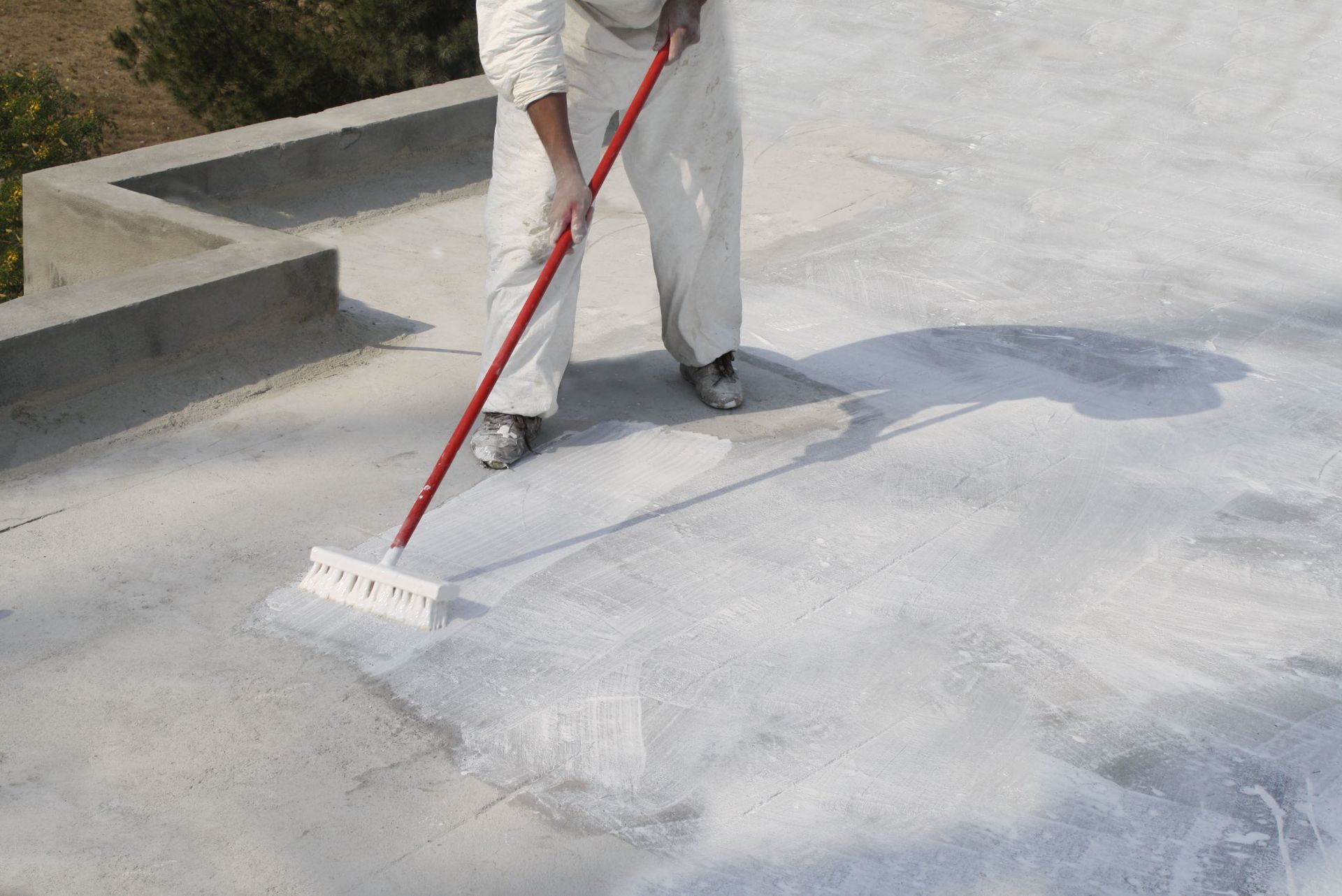
Successful coating applications begin with proper preparation. The roof surface must be cleaned thoroughly to remove dirt, debris, and loose materials. Any necessary repairs should be completed before installation begins. Depending on the product, coatings may be applied using rollers, brushes, or spray equipment. Some systems require multiple coats to achieve the recommended thickness and level of protection. Proper application techniques are essential for consistent performance.
Every coating has specific drying and curing requirements. Environmental conditions such as temperature and humidity can affect curing times. Allowing sufficient curing time ensures strong adhesion and optimal durability. Poor surface preparation, adverse weather, and uneven application are common causes of coating failure. Following manufacturer guidelines and working with qualified professionals helps avoid these issues.
Maintenance and Longevity of Roof Coatings
Routine inspections and maintenance help preserve coating performance. Addressing minor concerns early can prevent larger problems and maximize the lifespan of the coating system. Property owners should inspect coated roofs at least twice a year. Routine inspections can identify cracks, wear, or other issues before they develop into more serious problems.
Small repairs should be completed promptly to maintain the coating’s protective barrier. Regular attention to minor damage helps extend the life of both the coating and the roof beneath it. Over time, exposure to weather and UV radiation gradually reduces a coating's effectiveness. Recoating restores protection, improves appearance, and helps maintain energy-saving benefits. The timing depends on the coating type and environmental conditions.
Roof coatings are a practical solution for protecting and improving roofing systems. They help extend roof life, improve energy efficiency, reduce maintenance costs, and enhance appearance. With multiple coating options available, property owners can select a solution that fits their building’s needs, climate, and budget. Proper installation and ongoing maintenance are essential to achieving the best results. By understanding the benefits and applications of roof coatings, property owners can make informed decisions that support the long-term performance of their roofing systems.
If you're considering roof coatings for your home or commercial property, contact Element Roofing & Exteriors LLC. Our experienced team can evaluate your roof, recommend the right solution, and provide professional installation services designed to protect your investment for years to come. Contact us today!